Mastering Construction Contracts: Essential Tips for Success
Understanding the Basics
Construction contracts serve as the foundation of any project. They protect the interests of all parties involved and outline the scope, responsibilities, and timelines. To successfully manage your projects, it's essential to grasp a few key concepts:
- Parties Involved: Know who you're dealing with. Proper identification of all parties is crucial for enforceability.
- Scope of Work: Clearly define what is included and excluded in the contract to prevent misunderstandings.
- Payment Terms: Clarify how and when payments will be made. Consider milestones to ensure timely compensation.
Common Types of Construction Contracts
Understanding different contract types can help you choose the right one for your project:
- Fixed-Price Contracts: The contractor agrees to a set price for specific work. This type mitigates risk for clients but can be challenging for contractors if costs escalate.
- Cost-Plus Contracts: The client covers actual costs plus a fee. This model offers flexibility but may increase the overall project cost.
- Time and Materials Contracts: Contractors are paid for labor and materials. This is suitable for projects where scope is hard to define initially.
Key Components of a Construction Contract
A well-drafted construction contract should include the following components:
- Project Description: A detailed summary of the work, including plans and specifications.
- Timeline: Clearly stated start and completion dates, along with project milestones.
- Change Orders: Procedures for modifications to the work and pricing adjustments must be documented.
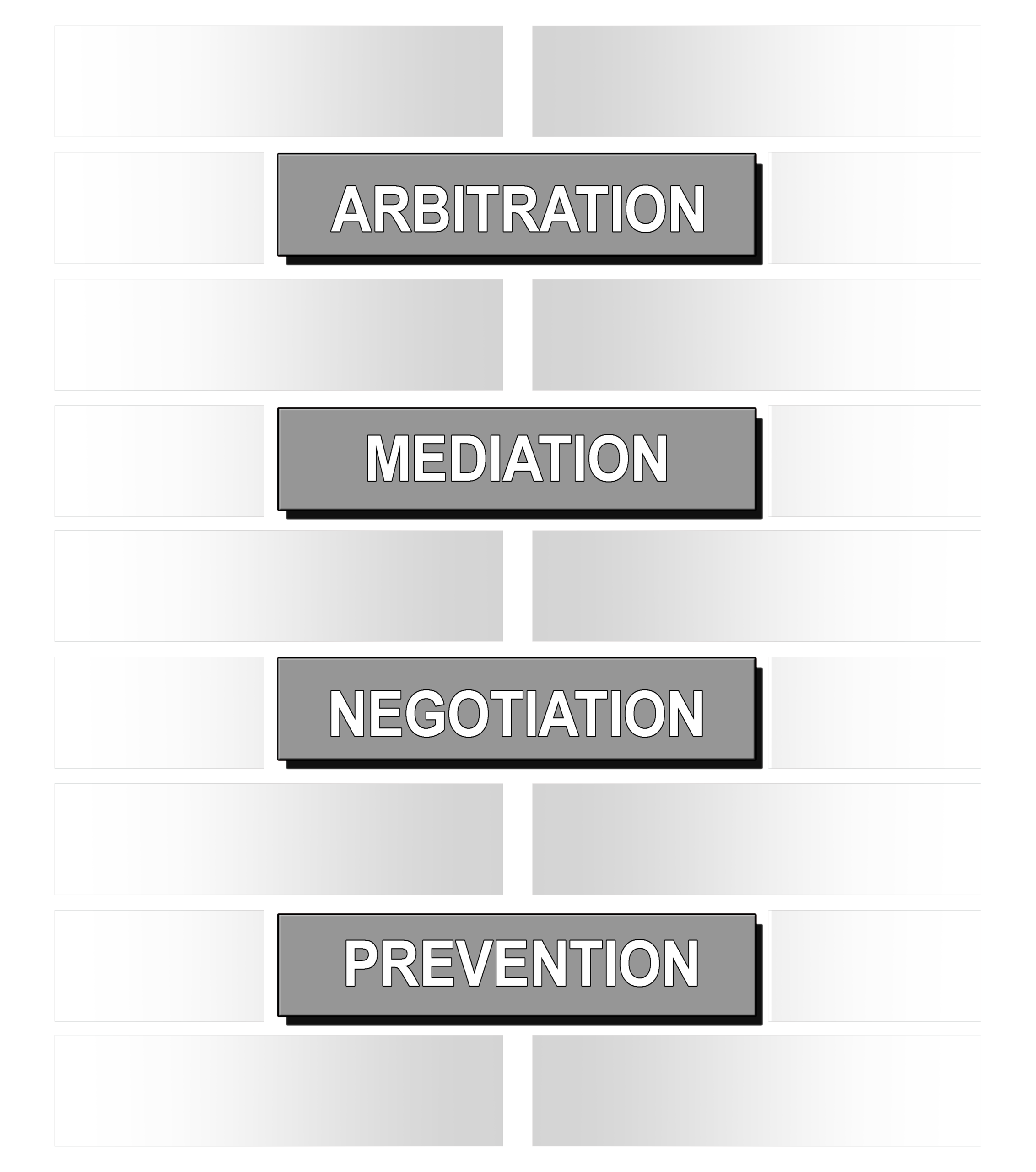
- Dispute Resolution: Incorporate clauses for mediation or arbitration to resolve conflicts efficiently.
Best Practices for Contract Management
Here are some tips to effectively manage your contracts:
- Review Regularly: Keep track of the progress and any changes to the contract. Regular reviews help avoid future disputes.
- Document Everything: Maintain records of communications, change orders, and decisions made throughout the project.
- Engage Experts: Utilize professional services from platforms like SIMONCHEE.COM for expert advice on contract design and administration.
Conclusion
Navigating the complexities of construction contracts doesn't have to be daunting. With a solid understanding of key concepts, types of contracts, components, and best practices, you can set the stage for a successful project. For added support, consider professional services that specialize in contract management, dispute resolution, and legal counsel. Empower yourself with knowledge and drive your projects toward successful outcomes.
No Responses